
There is a difference between a city that is expensive and a city where buying a home is a trap. Expensive cities can still be good investments — you pay more but you get more. The cities on this list are not that.
These are cities where the price does not match the product. Where the listing looks fine on Zillow but the reality tells a different story. Hidden taxes. Collapsing air quality. Rising crime. Insurance nightmares. Commutes that will steal your life one hour at a time. And home values that peaked two years ago and have been sliding since.
These are not cities where you overpay. These are cities where you get trapped. And today we are counting down ten California cities where you should never buy a home.
10. Indio

Indio is a city of about 92,000 people in the Coachella Valley, about 25 minutes east of Palm Springs. Most people know Indio for one thing — the Coachella and Stagecoach music festivals.
That attention made investors think Indio was the next big thing. They bought properties by the dozens, renovated them into Airbnb rentals, and listed them at $200–$400 a night during festival season. For a while, it worked.
But the short-term rental market in Indio has reached a saturation point that nobody wants to talk about. There are now so many Airbnb properties in the Coachella Valley that outside of festival weekends, occupancy rates have dropped significantly. Owners who bought homes specifically for rental income are discovering that 50 weekends a year are not festival weekends.
The heat is another factor. Indio is one of the hottest cities in California. Summer temperatures regularly exceed 115°F. Your electricity bill during those months can easily hit $400–$500 just to keep the AC running.
For investors, the Airbnb math no longer works the way it did in 2021. For residents, the heat, the insurance, and the limited economy make Indio a city where buying a home is betting on a festival schedule. And that is not a bet you want to make with a 30-year mortgage.
9. Lathrop
Lathrop is a city of about 30,000 people in San Joaquin County, sitting along I-5 about 70 miles south of Sacramento and 90 miles east of San Francisco. On paper, Lathrop looks like a smart buy — new construction, master-planned communities, homes in the $400s and $500s.
The problem is the word "technically." The commute from Lathrop to San Francisco is about 90 minutes on a good day. On a bad day — which is most days — it is two hours or more. The Altamont Pass on I-580 is one of the worst bottlenecks in Northern California.
Lathrop was built on the promise that people would tolerate brutal commutes in exchange for affordable homes. Remote work changed the equation. Some who moved here got called back to the office and decided to move back closer.
Home prices jumped during the pandemic but growth has stalled. Inventory is rising. Days on market are stretching. Buying a home in Lathrop is buying a commute. And if that commute ever stops making sense, your home's value goes with it.
8. Rialto

Rialto is a city of about 105,000 people in San Bernardino County. It sits along I-10 and has become one of the epicenters of Southern California's warehouse and logistics boom.
That boom has been great for Amazon's delivery times. It has not been great for the people who live here. Thousands of semi trucks move through the city every single day. The American Lung Association consistently gives San Bernardino County an F grade for ozone and particle pollution.
Studies have linked proximity to major truck corridors with increased rates of asthma, cardiovascular disease, and other respiratory conditions. The homes nearest the warehouse districts are the cheapest — meaning the people with the least financial flexibility absorb the highest health risk.
The median home price is around $450,000. That sounds affordable for Southern California until you factor in the health implications, the noise from truck traffic that runs nearly around the clock, and the fact that the warehouse economy provides mostly low-wage jobs that do not support $450K mortgages.
7. Fontana
Fontana is a city of about 215,000 people in San Bernardino County. It sits along I-10 and I-15, making it one of the most connected cities in the Inland Empire. And that connectivity is exactly the problem.
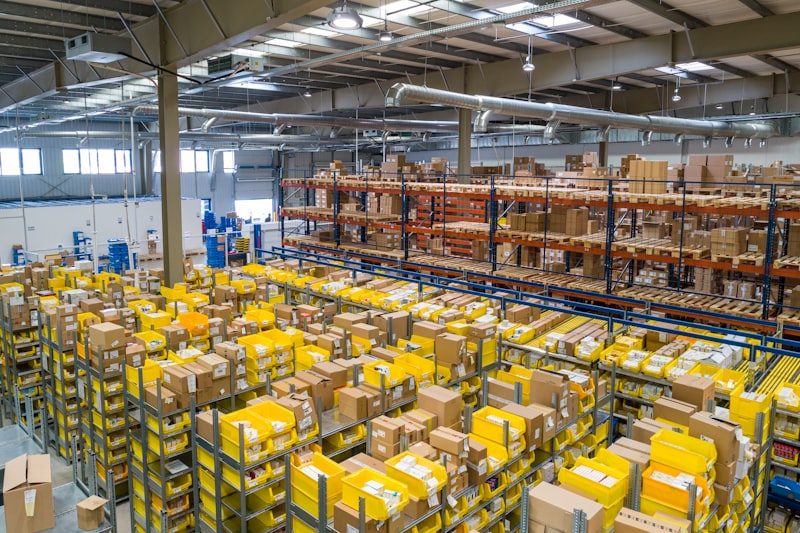
Fontana has become the logistics capital of Southern California. Amazon alone operates multiple massive fulfillment centers here. The exhaust from those trucks does not leave when the packages do.
The air quality in Fontana is consistently ranked among the worst in California. The combination of diesel emissions, freeway traffic from two major interstates, and the geography that traps pollution against the San Gabriel Mountains creates a toxic mix.
Home prices in the low $400s look attractive compared to coastal cities. But you are not getting a discount. You are getting a trade-off. Cheaper housing in exchange for air you would not want to breathe and truck noise that starts at 4 AM. That is not a deal — that is a cost disguised as a discount.
6. Perris
Perris is a city of about 85,000 people in Riverside County. New construction homes can be found in the low $300s. For Southern California, that is almost unheard of. And that price is exactly the trap.
Perris is cheap because the market is telling you something. Crime is well above the state average. Property crime is a persistent issue. Vehicle theft, package theft, and burglary are common enough that local Facebook groups read like a police blotter.
There is no real downtown. Dining options are mostly fast food chains. Entertainment is essentially nonexistent. For anything beyond basic errands, you are driving 20–30 minutes to Riverside or Temecula.
Homes bought at pandemic peak prices are now struggling to hold their value. Inventory is rising. Price cuts are becoming standard. And buyers who stretched to afford $350K are sitting in a city with limited services, rising crime, and a commute that makes them question the decision every morning.
5. Hesperia
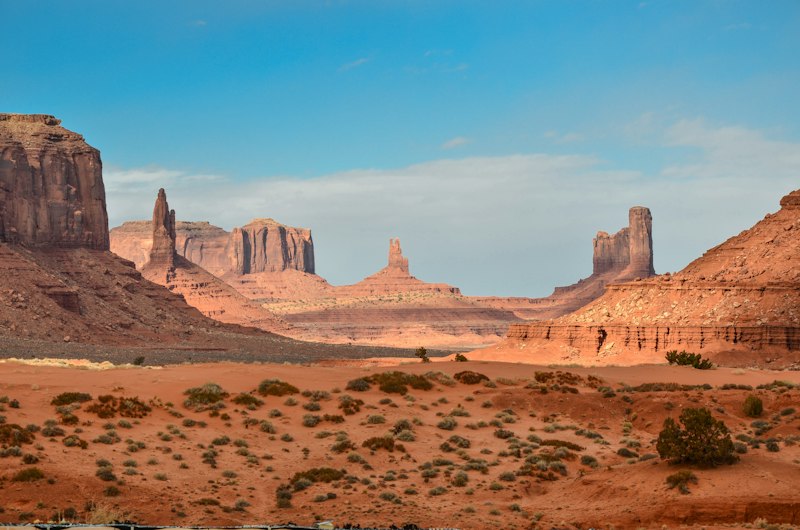
Hesperia is a city of about 100,000 people in the Victor Valley, sitting in the high desert about 90 minutes northeast of Los Angeles. The pitch is always the same: you can buy a house for $350K. In California. With a yard.
The first problem is isolation. Hesperia is on the other side of the Cajon Pass — one of the most dangerous stretches of freeway in California. In winter it can close entirely due to snow and ice. The drive to LA takes 90 minutes to two hours.
Crime has been trending upward for several years. The economic base is thin. The cultural landscape is sparse — chain restaurants, strip malls, and desert.
Hesperia's housing prices look like a deal because they are priced for the experience. And the experience is desert heat in summer, cold wind in winter, limited jobs, rising crime, and a mountain pass between you and everything else. That is not affordable living. That is geographic exile with a mortgage attached.
4. Apple Valley

Apple Valley is a town of about 75,000 people sitting right next to Hesperia in the high desert. It marketed itself for years as a retirement destination. The name sounds pleasant. The prices were low. The desert sunsets were beautiful.
But the reality of aging in Apple Valley has caught up with the marketing. Healthcare access is limited. The nearest major hospital system is in Victorville, and for specialists, residents drive an hour down the hill to Loma Linda or San Bernardino.
The housing market has stalled. Prices jumped during the pandemic but growth has flattened. The pool of buyers willing to move to the high desert is shrinking. Younger families are choosing closer-in suburbs.
Buying a home in Apple Valley is relatively easy. Selling one is not. Homes sit on the market for months. Price cuts are common. In real estate, the ability to exit is everything — and Apple Valley is getting harder to exit every year.
3. Pittsburg
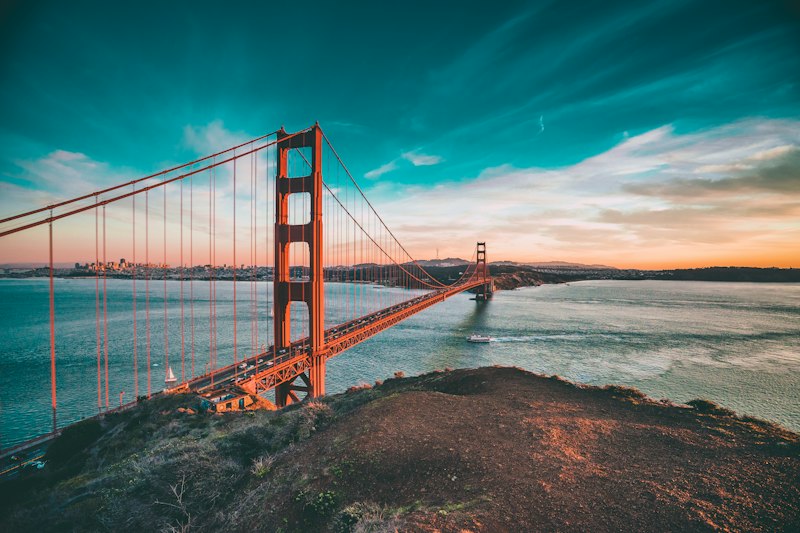
Pittsburg is a city of about 75,000 people in eastern Contra Costa County. It is the cheapest city in the San Francisco Bay Area — homes in the $400s and low $500s, which is two to three times less than Oakland, San Jose, or San Francisco.
The industrial history left behind contamination. Parts of the waterfront have environmental remediation concerns. Air quality is worse than the western Bay Area. Crime rates run higher than you would expect from a Contra Costa County city.
The commute to San Francisco is brutal. BART does not extend to Pittsburg proper. The trip to downtown SF takes over 75 minutes on public transit.
Pittsburg is cheap for the Bay Area because the Bay Area experience you get in Pittsburg is not the Bay Area experience you imagined. You get the address but not the amenities. The zip code but not the safety. The price but not the value.
2. Lake Elsinore
Lake Elsinore is a city of about 75,000 people in western Riverside County. The city's entire marketing identity is built around the lake — lakeside living in Southern California at Inland Empire prices.
The reality is more complicated. The lake has a long history of problems. Algae blooms turn the water green and create a smell described as overwhelming during summer. Water levels fluctuate dramatically — drought years shrink the lake, wet years flood neighborhoods.
But the biggest hidden trap is the Mello-Roos. Many newer neighborhoods charge a special tax that adds $300–$500/month on top of your regular property tax. A home that looks like it costs $350K on Zillow actually costs $400–$450 more per month than you expected.
Mello-Roos does not go away. It stays with the property for 25–40 years. When you try to sell, every educated buyer factors that cost into their offer. Your resale pool just got smaller.
The commute on the 15 freeway through Temescal Valley — one of the most congested corridors in Southern California — turns a 45-minute trip to Irvine into 90 minutes. Lake Elsinore sells a lifestyle that the lake cannot consistently deliver and charges a hidden tax that the listing does not disclose.
1. Moreno Valley
Number one is a city of about 212,000 people in Riverside County. Moreno Valley is the single worst city to buy a home in California right now.
The reason starts with the warehouses. The World Logistics Center — a massive 40 million square foot warehouse complex — is one of the biggest distribution projects in the western hemisphere. The promise was jobs. The delivery was diesel trucks. Thousands of them, rolling through residential neighborhoods every single day.
Moreno Valley sits in one of the worst air quality zones in the United States. Children in neighborhoods near the warehouse corridors have elevated rates of asthma and respiratory issues. This is not speculation — this is data from the South Coast Air Quality Management District.
The city has no downtown. No cultural center. No walkable district. No anchor institution. It is 212,000 people spread across a valley with strip malls, fast food chains, warehouses, and housing tracts built as fast as possible.
Prices jumped during the pandemic but gains have been fragile. Price cuts are common. Inventory is rising. The commute to Orange County or LA — the 91 and 60 freeways — turns a 40-mile drive into a two-hour ordeal.
Moreno Valley combines every single warning sign into one city: pollution, no identity, declining values, rising crime, brutal commute, hidden costs, and a warehouse economy that generates truck traffic — not quality of life.
If you are looking at a listing in Moreno Valley because the price looks good, understand that the price is the only thing that looks good. Everything else is telling you to keep looking.
The Bottom Line
These ten cities are not bad because they are expensive. They are bad because the cost goes far beyond the purchase price. Hidden taxes. Toxic air. Desert isolation. Brutal commutes. And home values sliding in the wrong direction.
California has hundreds of cities where buying a home is a smart decision. These ten are not on that list.
If you want to know which California cities are worth buying in, subscribe to our YouTube channel. We cover the Golden State every day with real data and honest takes.
And if you want the full breakdown on the best places to retire, move, or invest in California — download our free guide. 24 cities. Every number. No fluff.